Community-Driven Approach to Water Quality Testing
The Uttar Pradesh government has introduced a pioneering initiative to prevent water-borne diseases in rural areas by leveraging community participation. The program focuses on empowering women to take charge of water quality testing, ensuring the supply of safe drinking water in villages.
Empowering Women through Field Testing Kits
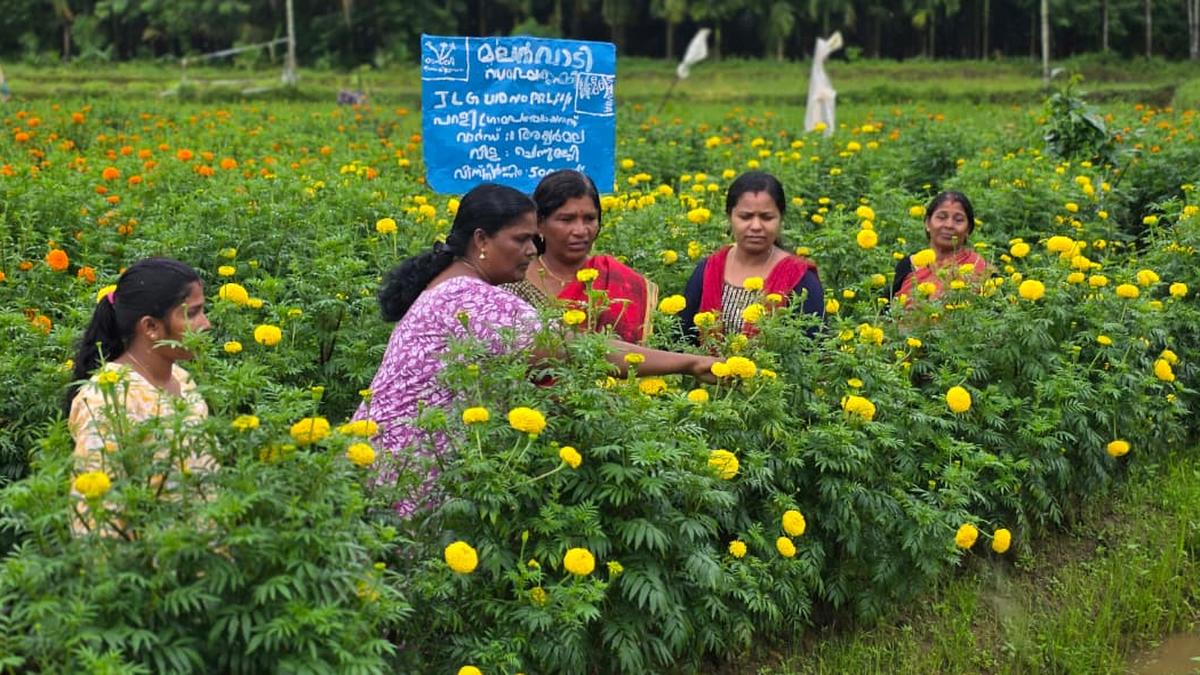
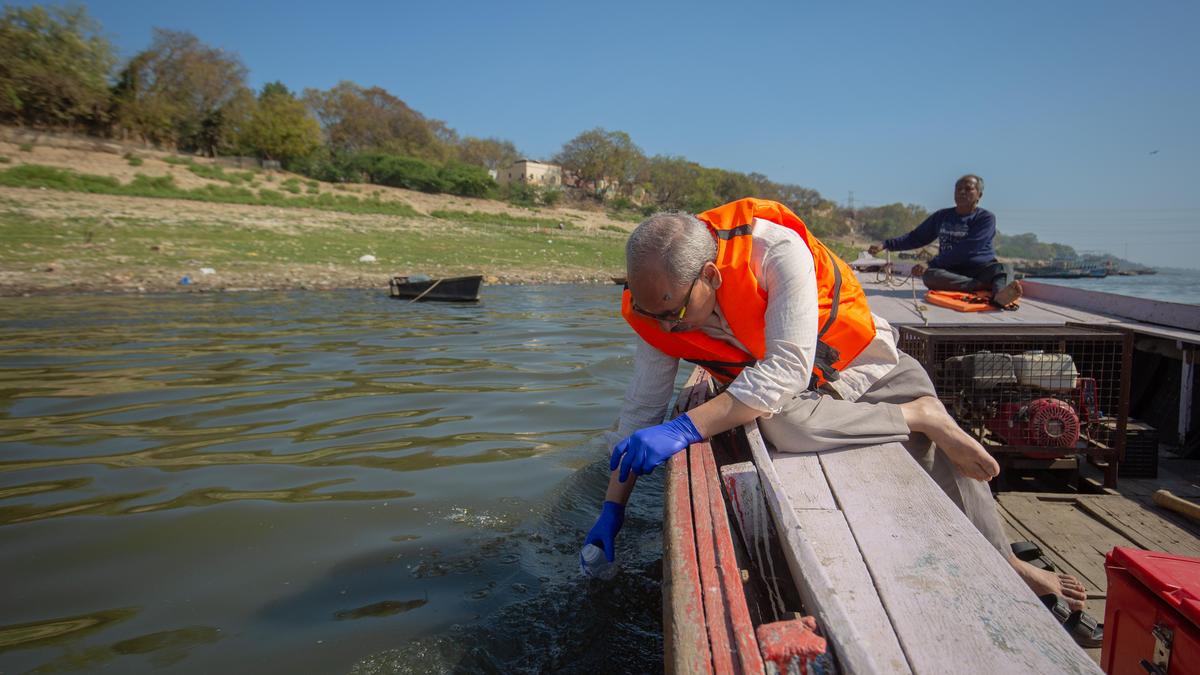
Under the Jal Jeevan Mission, women are being trained to use Field Testing Kits (FTKs) to detect water contamination and identify harmful chemicals and bacteria in drinking water sources. This community-driven approach has not only strengthened local ownership of rural water quality monitoring but also created new opportunities for women’s empowerment and self-sufficiency.
Trained women, equipped with FTKs, are actively engaged in water quality testing, sampling water from household taps and drinking water sources. The honorarium earned for testing water purity has also generated additional income and self-employment opportunities for rural women, with each test earning them ₹20, up to a maximum payment of ₹400 for 20 tests.
Immediate Action against Contaminated Water Sources
In cases of suspected or contaminated water sources, these women promptly notify the department, enabling immediate action to prevent water-borne diseases. The introduction of FTKs has streamlined the testing process, allowing for swift identification and resolution of water quality issues.
The program has tested around 63,700 water quality samples in the current financial year, demonstrating the effectiveness of this community-driven approach. By linking women’s groups across over 97,000 villages to this initiative, the government is ensuring a clean and quality supply of drinking water in rural areas while enhancing the technical skills of women.
- Community-driven approach to water quality testing
- Empowerment of women through Field Testing Kits
- Creation of new opportunities for additional income and self-employment
- Immediate action against contaminated water sources
Source: Original Article
About the Author