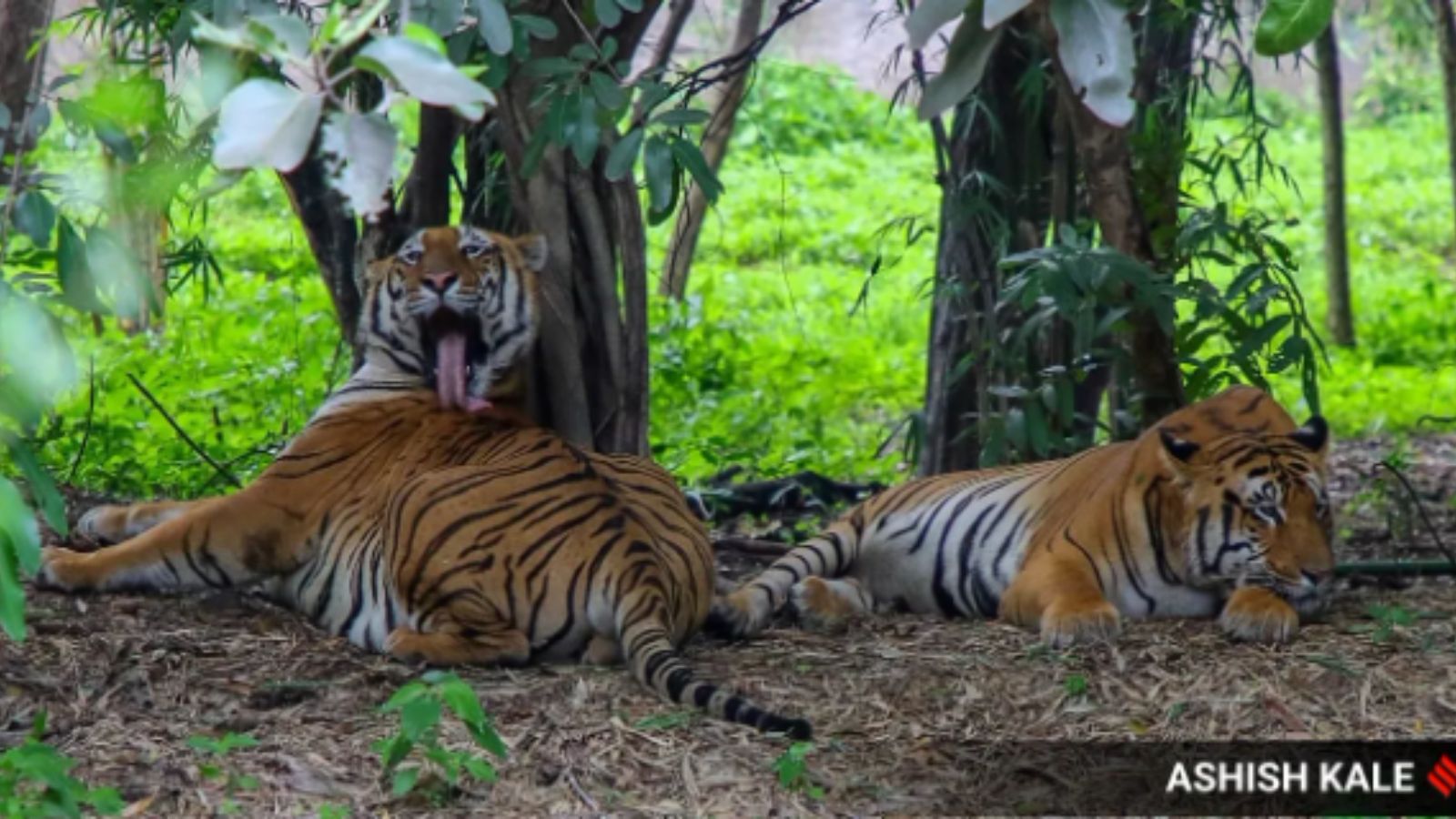
Introduction of Tigers in Sariska Reserve
Sariska Tiger Reserve has achieved a milestone of 18 years since the reintroduction of tigers in the area. Meanwhile, the central government has emphasized the need for immediate intervention in 25 out of 58 tiger reserves across the country, where the tiger population is either very low or completely absent.
Concern Over Low Tiger Population
The central government’s concern stems from the fact that a significant number of tiger reserves are struggling to maintain a healthy tiger population. This has prompted the authorities to take a closer look at the conservation efforts and identify areas that require priority intervention.
A list of 25 tiger reserves has been compiled, highlighting the need for urgent attention to boost the tiger population in these areas. The reserves have been identified based on factors such as low tiger density, inadequate conservation efforts, and lack of prey base.
Measures to Boost Tiger Population
- Enhanced conservation efforts, including habitat protection and restoration
- Introduction of prey species to maintain a balanced ecosystem
- Implementation of effective anti-poaching measures
- Engagement with local communities to promote tiger conservation
The central government has underscored the importance of addressing the issues plaguing these tiger reserves, emphasizing that a multi-faceted approach is necessary to ensure the long-term survival of tigers in India. With Sariska serving as a model for successful tiger reintroduction, the authorities are hopeful that similar initiatives can be replicated in other reserves to boost the tiger population.
Source: Original Article
About the Author