A New Era in New York Politics
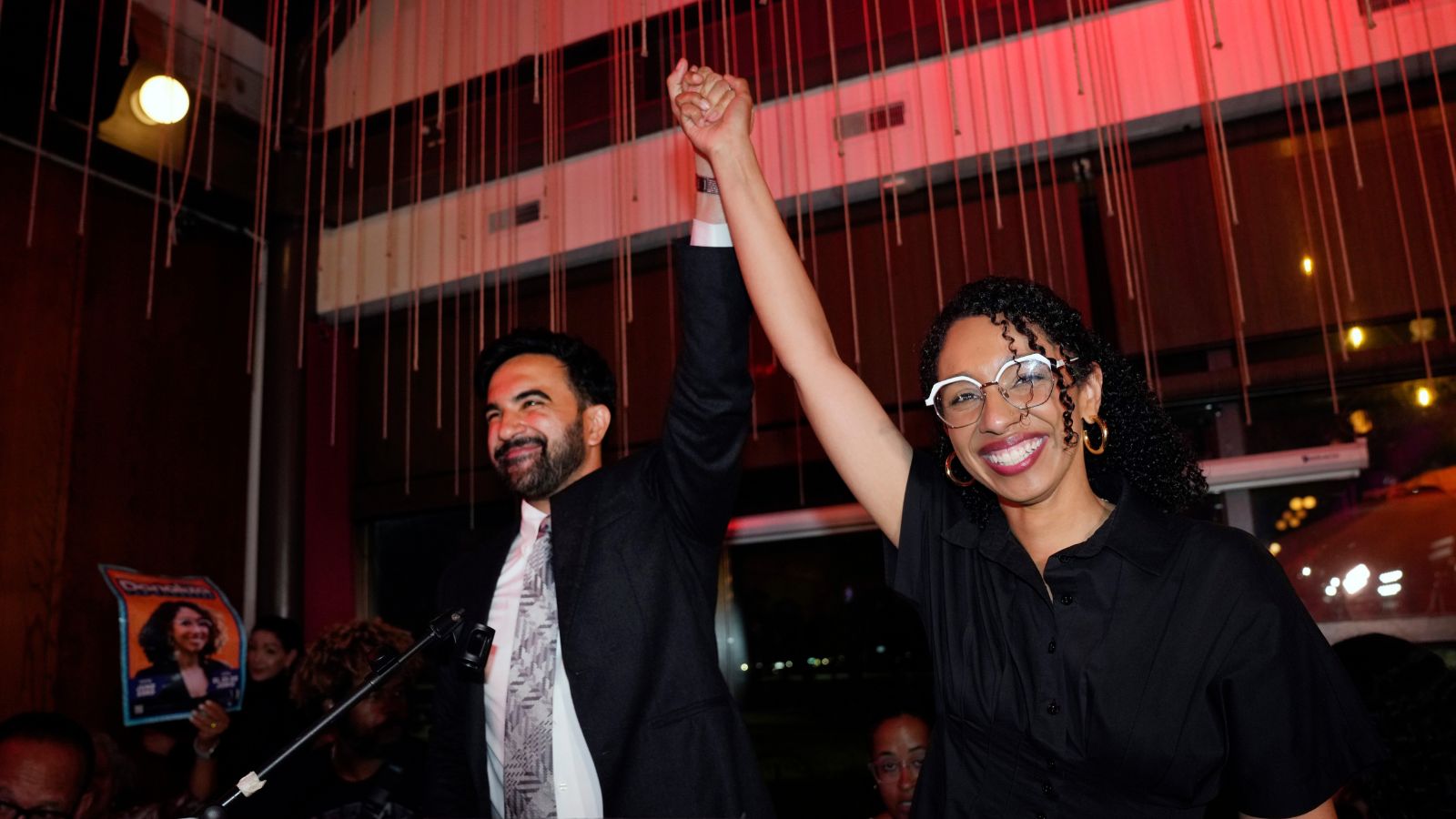
The recent New York congressional primaries have sent shockwaves through the Democratic establishment, marking a significant realignment in the party. A slate of progressive candidates, endorsed by Mayor Zohran Mamdani, has made history by unseating powerful incumbents, including Dan Goldman and Adriano Espaillat. This victory has catapulted democratic socialists Darializa Avila Chevalier, Claire Valdez, and leftist ally Brad Lander onto a clear path to Congress, proving that the democratic socialist movement is no longer just an insurgent faction, but a dominant force in New York State politics.
A Shift in the Democratic Party
The primary outcomes have exposed a deep ideological rift in the party, with establishment figures like House Democratic Leader Hakeem Jeffries facing a significant challenge from the progressive base. The victories demonstrate that foreign policy can play a crucial role in local turnout, with voters rejecting US support for the wars in Gaza and Iran. Domestic issues, such as affordability and public safety, also mattered, with voters embracing a platform that focuses on aggressive economic intervention.
The victorious slate has proposed a range of policies, including rent freezes, Good Cause eviction protections, and massive investments in public housing. They have also promised economic relief, including minimum-wage hikes, fare-free public transit, and universal child care. To finance these public goods, they have proposed steep tax increases on corporations and individuals earning over $1 million annually, as well as structural reforms to public safety and the abolition of Immigration and Customs Enforcement.
A Broader Impact
The Mamdani effect has the potential to resonate beyond New York, with similar socialist waves possible in California, Oregon, and Washington. However, replicating New York’s success will require a dense population of working-class tenants paired with a hyper-disciplined grassroots organising apparatus. Additionally, democratic socialism faces a profound cultural barrier in traditional American conservatism, which prioritises rugged individualism, strict constitutionalism, and scepticism toward state intervention.
- The likelihood of similar primary challenges to moderate Democrats in deeply progressive-inclined urban areas is high.
- The Mamdani effect may inspire a new wave of progressive candidates to challenge establishment figures across the country.
- However, the cultural barrier of traditional American conservatism will need to be addressed for democratic socialism to gain traction in the American heartland.
Ultimately, the Mamdani effect has the potential to break down cultural barriers in America, but it will require a sustained effort to build a hyper-disciplined grassroots organising apparatus and to address the profound cultural differences between progressive politics and traditional American conservatism.
Source: Original Article
About the Author