Introduction to Hand Fans
At first glance, hand fans may seem like a simple, everyday object, but they hold a rich history and significance that spans across centuries and cultures. From ancient China and Egypt to modern-day Europe, hand fans have been used for various purposes, including ceremonial, practical, and artistic uses.
A Brief History of Hand Fans
The earliest hand fans originated in ancient China and Egypt, made from materials such as feathers, silk, and palm leaves. These early fans were rigid and flat, used primarily for ceremonial purposes. The invention of folding fans in 8th century Japan marked a significant milestone in the evolution of hand fans, which eventually spread to Europe through trade routes in the 16th century.
Hand Fans in Different Cultures
Hand fans have been used in various ways across different cultures. In Egypt, they were used by rulers and servants to swat away flies and provide shade. In Korea, hand fans were categorized into two types: flat and rigid danseon fans, and folding jeopseon fans. In India, hand fans, known as pankhas, were used to fan royalty and deities in temples. In Japan, fans were used in warfare, with different types of fans signifying different ranks in the army.
Artistic and Performance Uses of Hand Fans
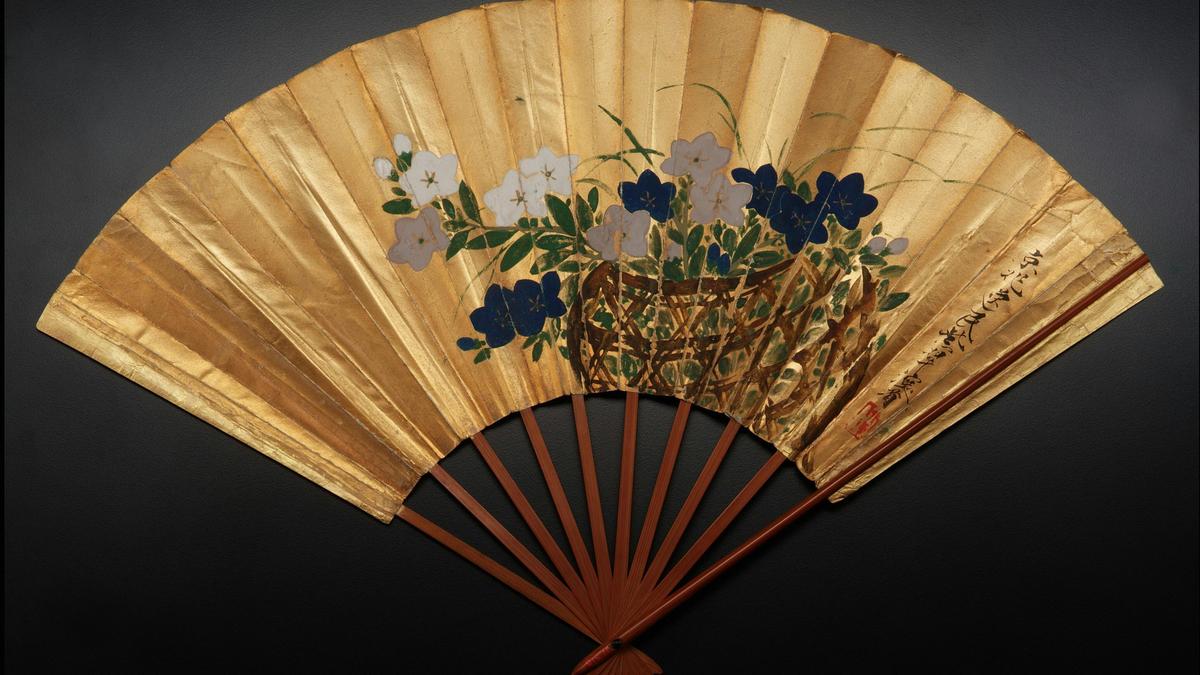
Hand fans have also been used as a canvas for artistic expression, with intricate calligraphy and paintings adorning their surfaces. In ancient China, fans were used as a medium for poets and artisans to showcase their work. In Japan, fans are used in traditional dance forms, such as Nihon Buyo and Jiuta Mai, adding drama and flair to performances.
The Language of Fans
In the Victorian era, hand fans were even used as a means of flirtation, with different gestures and movements conveying secret messages between lovers. This language of fans, which emerged in 18th century France, allowed individuals to express their emotions without breaking societal protocol.
- Open wide: Wait for me
- Twirling in the left hand: We are being watched
- Drawing across the cheek: I love you
- Closing harshly: I wish to speak to you
- Dropping: I want to be just friends
Conclusion
Hand fans are more than just a simple accessory; they hold a rich history, cultural significance, and artistic value. From their origins in ancient civilizations to their modern-day uses, hand fans continue to fascinate and inspire us with their beauty and versatility.
Source: Original Article
About the Author