Introduction
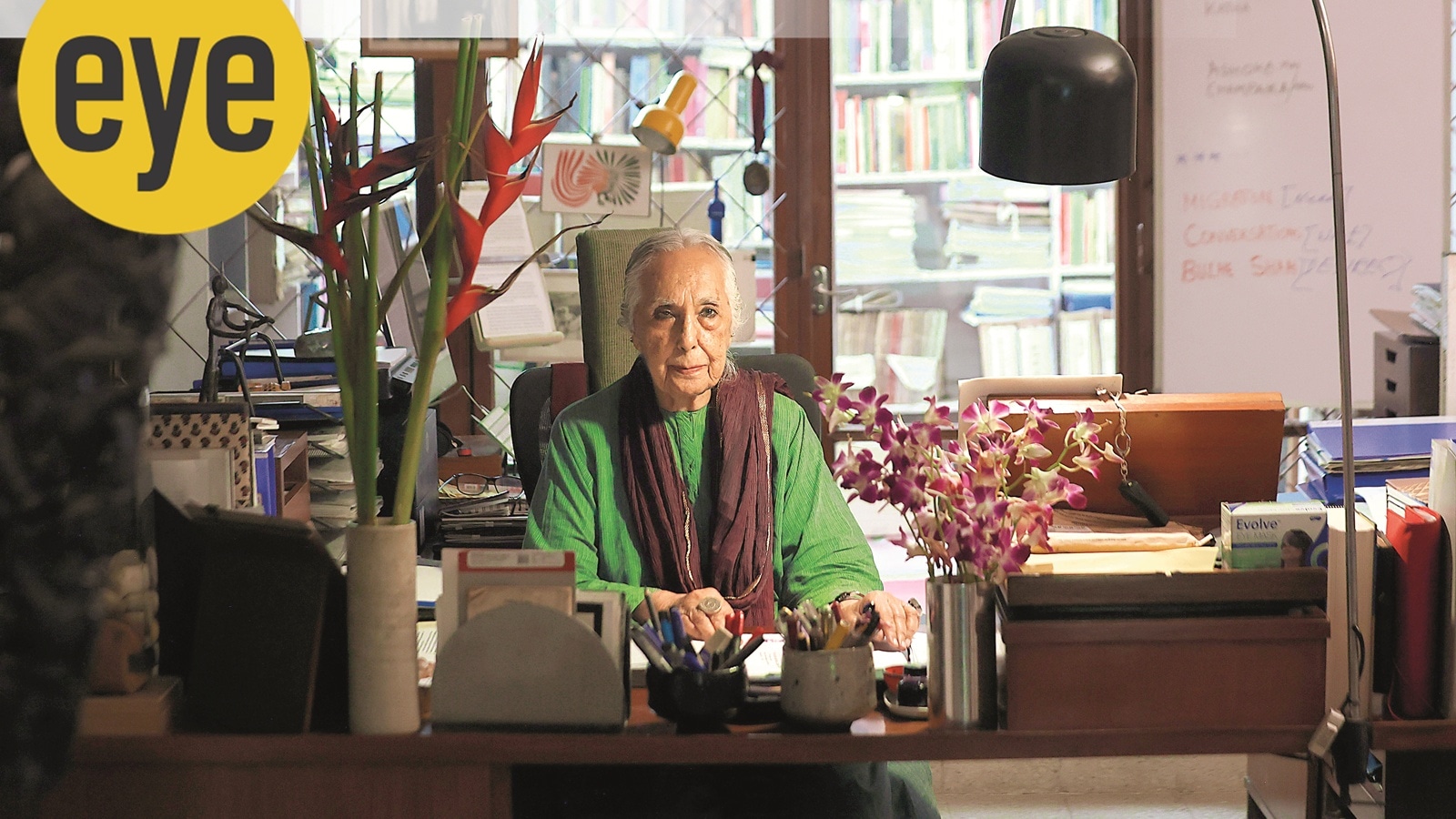
Romila Thapar, a veteran historian, has recently shed light on her life and experiences in her memoir. Her life’s work has been a testament to her unwavering dedication to the field of history. Thapar’s memoir also delves into the intense debate surrounding the Aryan question, which has sparked a series of discussions and disagreements among historians and scholars.
Historical Context
Thapar’s work has been pivotal in shaping the narrative of Indian history. Her research and findings have played a crucial role in understanding the complexities of the past. The ongoing battle over history has led to a re-examination of established theories and perspectives. Thapar’s insights have been instrumental in this process, providing a fresh and nuanced understanding of historical events.
The Jawaharlal Nehru University (JNU) has been at the forefront of this debate, with scholars and students engaging in discussions and debates about the Aryan question. Thapar’s association with JNU has been long-standing, and her views on the matter have been widely respected and sought after. The university has been a hub for intellectual discourse, and Thapar’s contributions have been significant in shaping the academic landscape.
Key Points
- The Aryan question has been a topic of intense debate among historians and scholars.
- Thapar’s memoir provides a unique perspective on her life and experiences as a historian.
- Her work has been instrumental in shaping the narrative of Indian history.
- JNU has been a hub for intellectual discourse, with scholars and students engaging in discussions and debates about historical events.
Thapar’s memoir is a must-read for anyone interested in history, academia, and the ongoing debates surrounding the Aryan question. Her insights and experiences provide a unique perspective on the field of history and the role of historians in shaping our understanding of the past.
Source: Original Article
About the Author