CBSE’s Tech Troubles Run Deeper Than Initially Thought
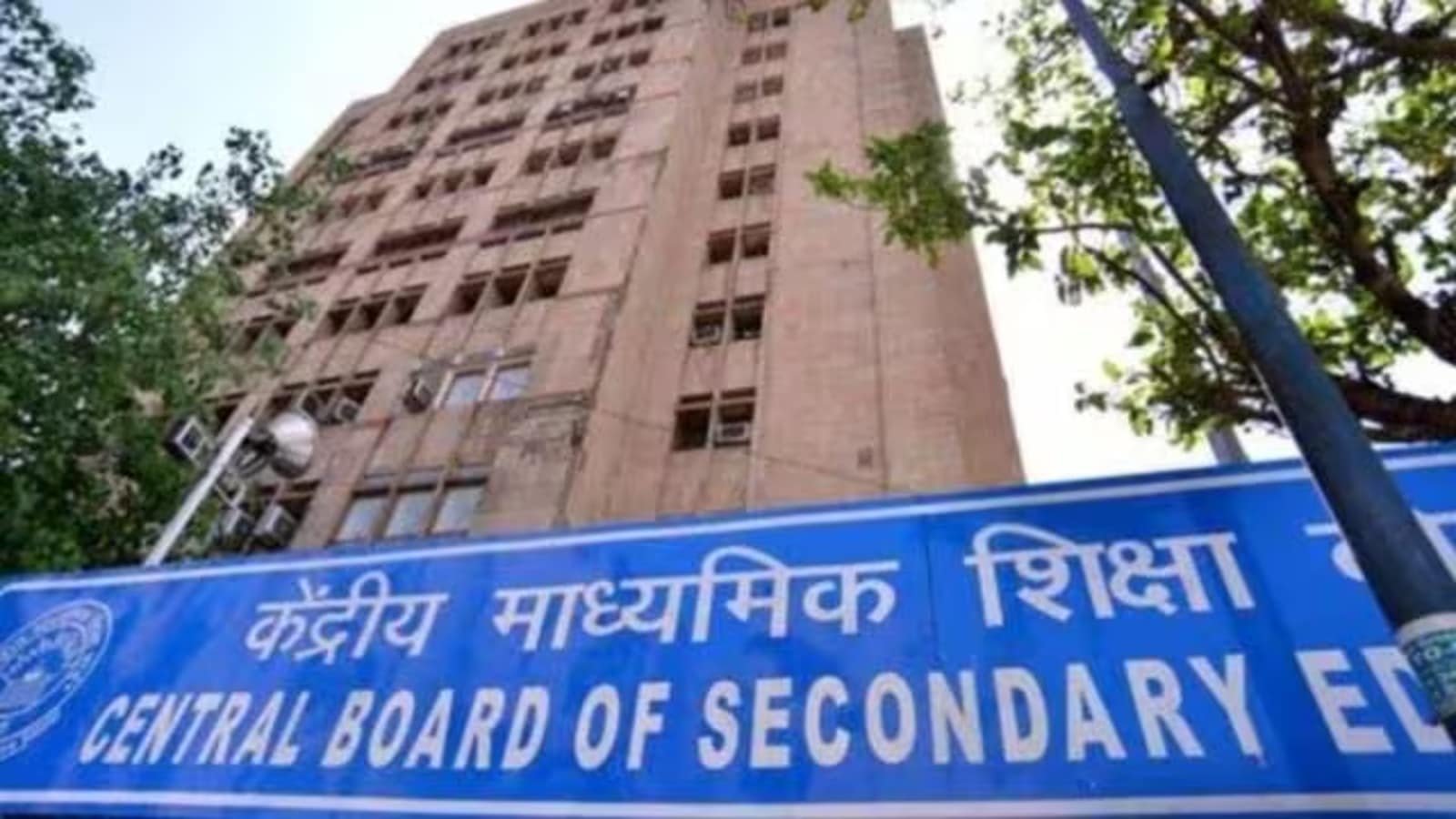
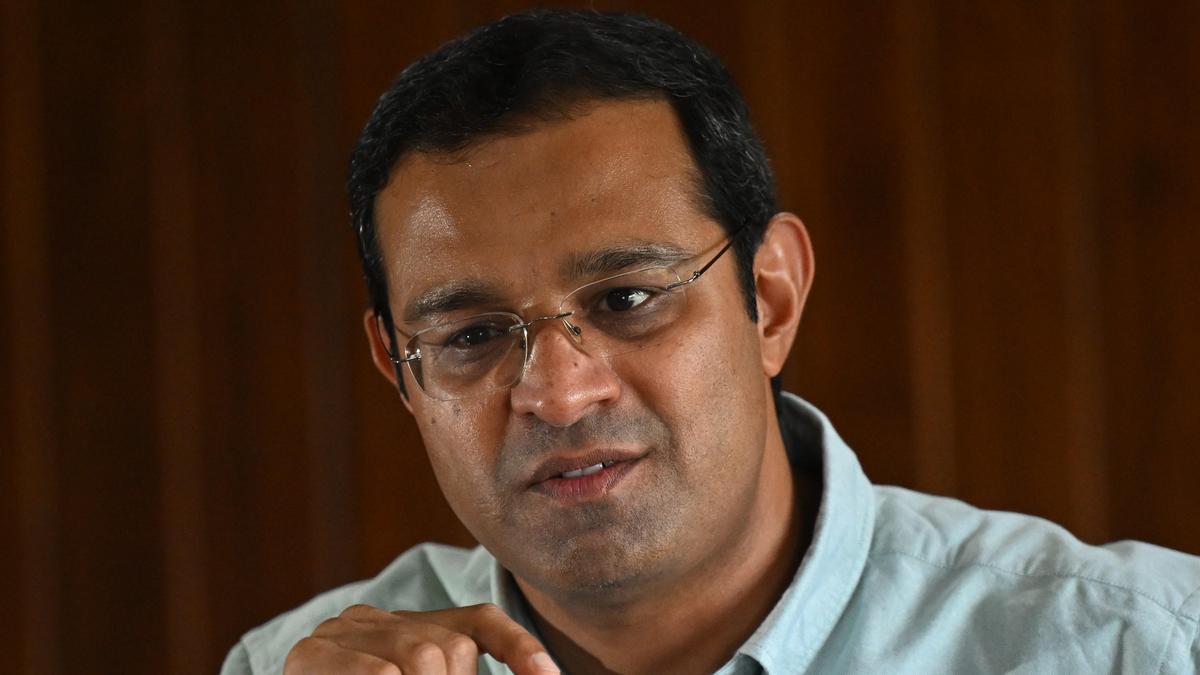
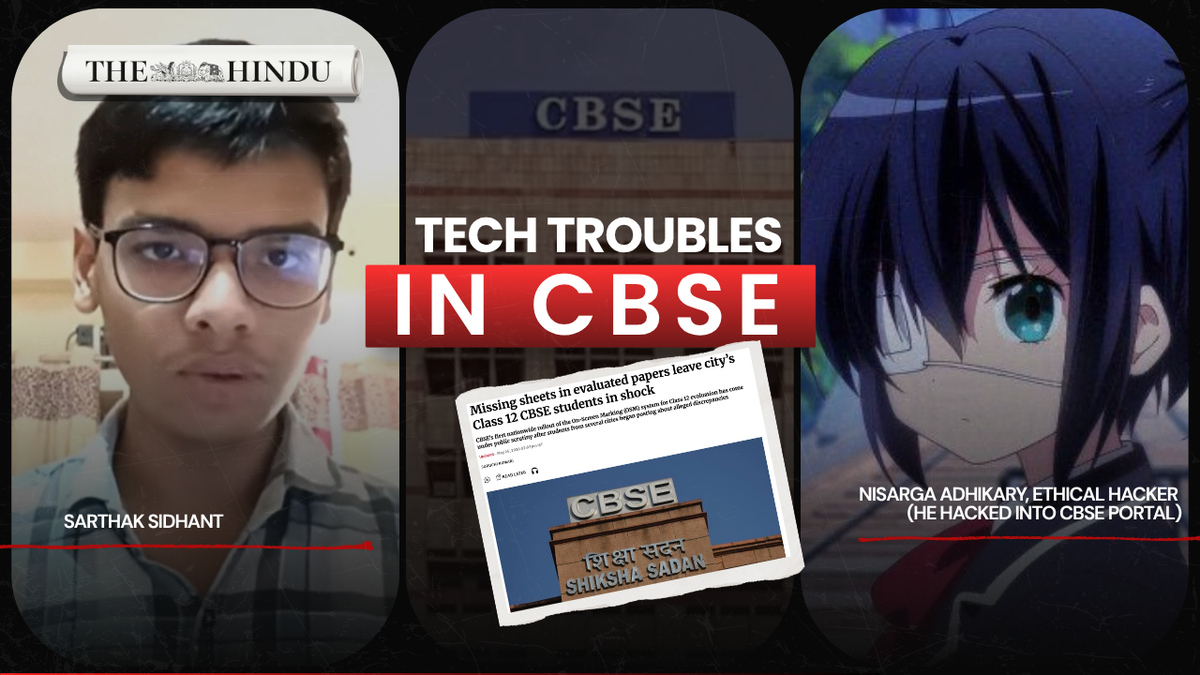
A recent investigation by two young whistleblowers, Sarthak Sidhant and Nisarga Adhikary, has shed light on the Central Board of Secondary Education’s (CBSE) dubious digital dealings. Sarthak, a 17-year-old Class 12 student, published a blog post highlighting the alleged dilution of tender norms to favor a specific vendor, Coempt EduTeck, for the On-Screen Marking (OSM) evaluation process.
Uncovering the Digital Infrastructure
Nisarga Adhikary, a 19-year-old ethical hacker, claims to have infiltrated the OSM portal, gaining unrestricted access to read, write, and edit answer sheets. His findings point to glaring data sovereignty issues, with Coempt EduTeck allegedly storing sensitive student exam data in unsecured Amazon Web Services public buckets, rather than their own servers.
The lack of security checks has raised concerns about the integrity of the evaluation process and the potential for data breaches. Nisarga’s revelations have sparked fears about the vulnerability of the CBSE’s digital infrastructure, prompting calls for a thorough overhaul of the system.
Key Findings
- Sarthak’s investigation uncovered approximately 15 instances of tender dilution, allegedly designed to favor Coempt EduTeck.
- Nisarga’s hacking exploit exposed the lack of security measures in place to protect sensitive student data.
- Coempt EduTeck’s decision to store data in unsecured public buckets has raised questions about the company’s commitment to data sovereignty.
As the CBSE grapples with the fallout from these revelations, it remains to be seen how the board will address the concerns raised by these young whistleblowers. One thing is certain, however: the CBSE’s digital woes are far from over, and a comprehensive revamp of the system is long overdue.
Source: Original Article
About the Author