Introduction
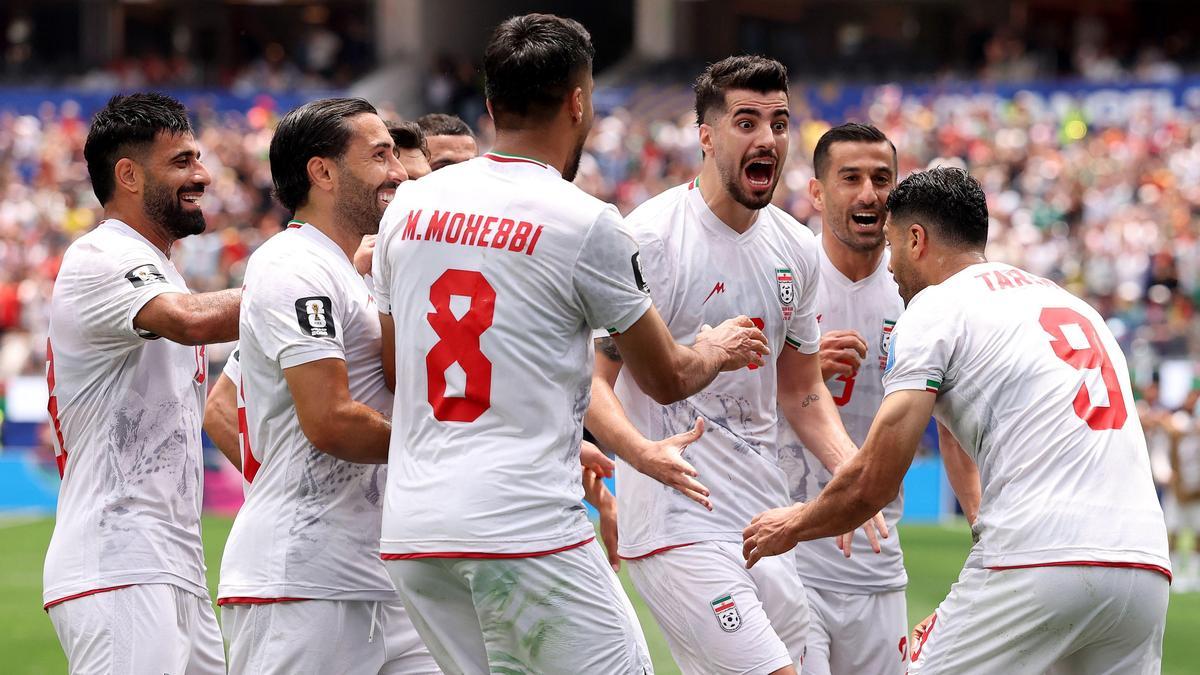
The 2026 FIFA World Cup has been a rollercoaster ride of thrilling matches, unexpected outcomes, and captivating storylines. However, the tournament has also sparked intense debates about geopolitics, immigration, and accessibility. The participation of Iran, in particular, has been marred by the fallout of a broader regional conflict.
Key Issues
With the United States, Mexico, and Canada co-hosting the tournament, critics have slammed FIFA for failing to live up to its mantra of football being a unifying force for the world. The Iranian team’s treatment has raised questions about fairness, while visa denials and travel restrictions have led to concerns about the tournament’s accessibility for global fans.
- The Iranian contingent’s experience has been overshadowed by the regional conflict, sparking debates about fairness and equality.
- Visa denials and travel restrictions have limited the participation of global fans, making this World Cup potentially the least accessible in history.
- FIFA’s response to the host nation’s terms has been criticized, with many questioning whether the organization has done enough to promote its message of unity.
Legacy and Impact
The legacy of this edition of the World Cup will be closely watched, with many wondering what the long-term impact will be on the game. Has FIFA done enough to push back against the host nation’s dictates, or will the tournament be remembered for its divisiveness rather than its unity?
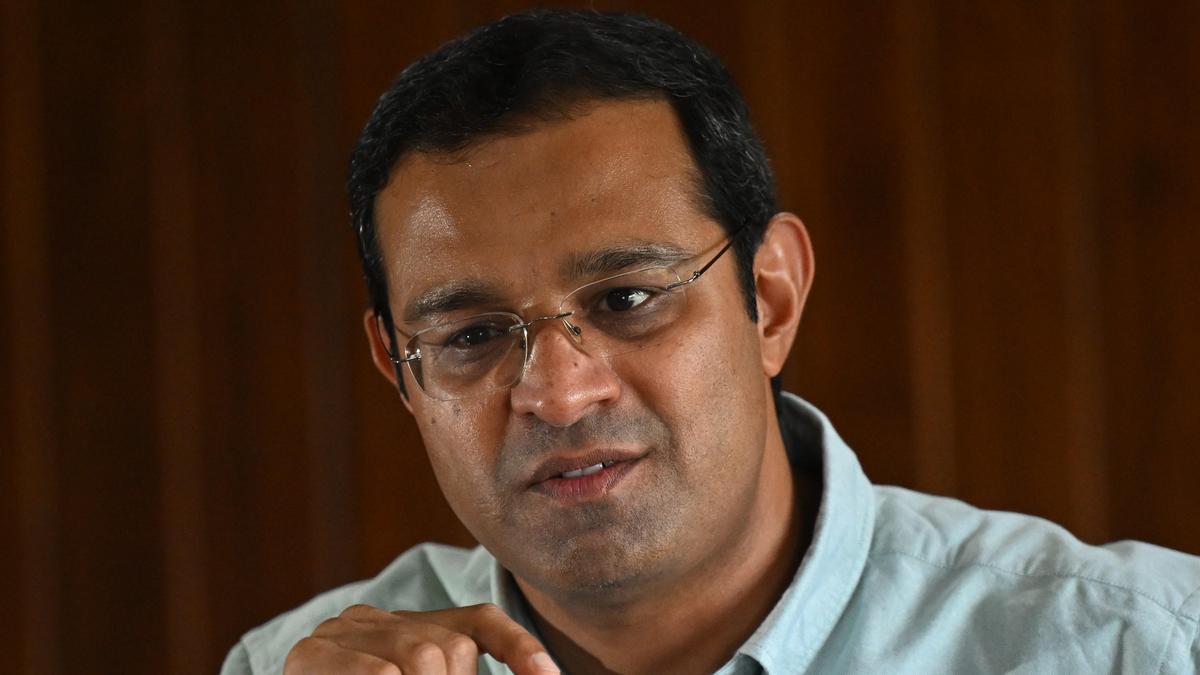
Experts like Srinivasan Ramani, Deputy National Editor of The Hindu, have weighed in on these issues, offering valuable insights into the complexities of the situation. As the tournament continues to unfold, one thing is clear: the 2026 FIFA World Cup has become a microcosm of the world’s geopolitical tensions.
Source: Original Article
About the Author