A civil society group is sounding the alarm over the alarming rate of shrinking waterbodies in Kashmir, prompting a call for the establishment of a high-level commission to tackle the crisis. The Group of Concerned Citizens, comprising retired bureaucrats and judges, has proposed a Chief Minister-led Commission on Water Security and Ecological Resilience to address the issue.
The Crisis Unfolds
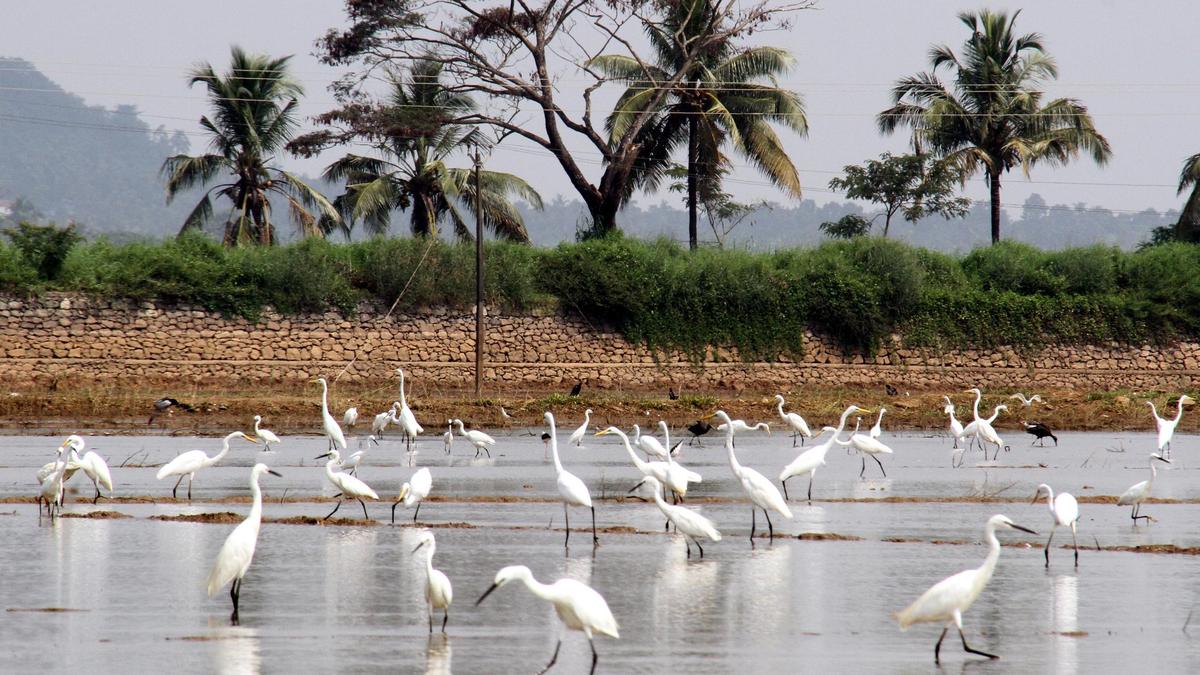
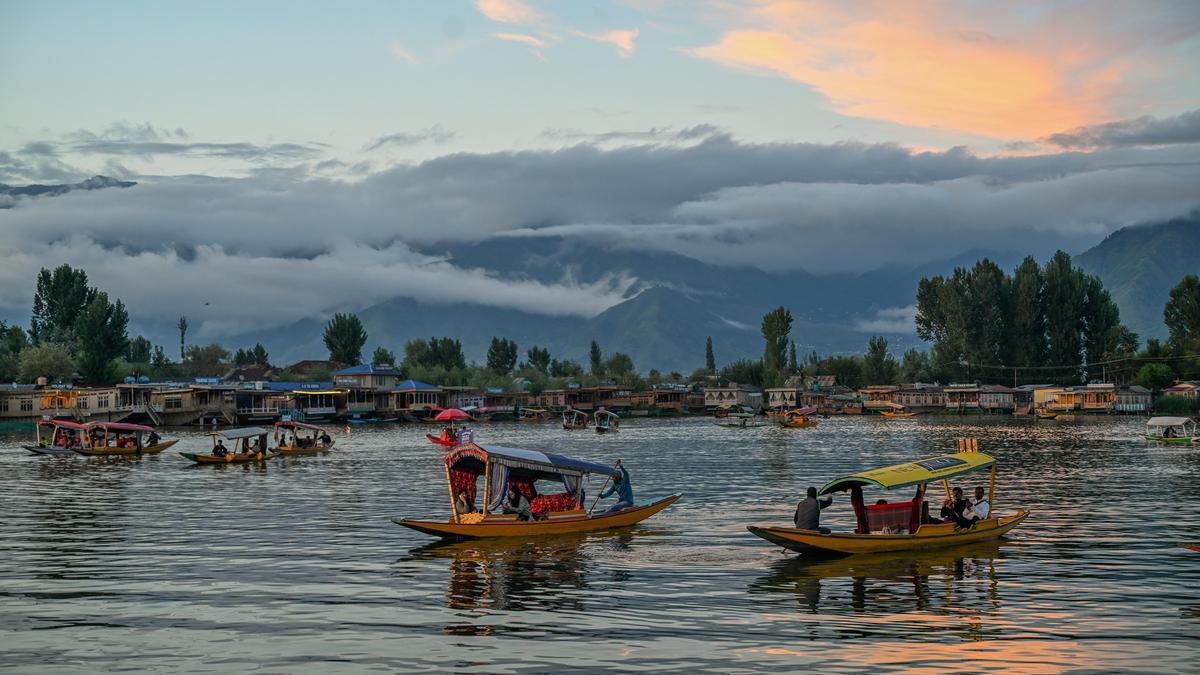
Kashmir is facing an ecological emergency, with a staggering 70% of its wetlands and waterbodies lost since the 1960s. According to a recent report, 518 lakes out of 697 in J&K have either disappeared or are receding. The situation is further complicated by the retreating of glaciers, which will lead to a decrease in discharge in rivers, nullahs, and streams, resulting in acute water shortages.
A 10-Point Proposal
The Group of Concerned Citizens has put forth a 10-point proposal to tackle the crisis, including the creation of a CM-headed Commission on Water Security and Ecological Resilience, a water security strategy based on integrated river basin management, and a glacier, spring, and watershed monitoring mission. The proposal also includes the restoration of major wetlands, floodplains, and river corridors, as well as the establishment of a climate and ecological risk observatory with a real-time environmental dashboard.
The group has also called for a dedicated J&K Climate and Environment Fund, city water action plans, and the integration of ecological carrying capacity and climate resilience into every major public investment and infrastructure project. Dr. Karan Singh, a former Governor of J&K, has also raised concerns over the unplanned infrastructure expansion in the Himalayas, which has destabilized the mountain ecosystem.
- The proposed commission will be tasked with monitoring glaciers, springs, and watersheds.
- A dedicated fund will be established to support climate and environment initiatives in J&K.
- The group has declared the period 2026-2035 as the Decade of Water Security and Ecological Restoration in J&K.
The situation is dire, and immediate action is necessary to prevent further ecological damage and ensure the long-term sustainability of Kashmir’s waterbodies.
Source: Original Article
About the Author