Senate Leaders Unveil Short-Term Spending Bill
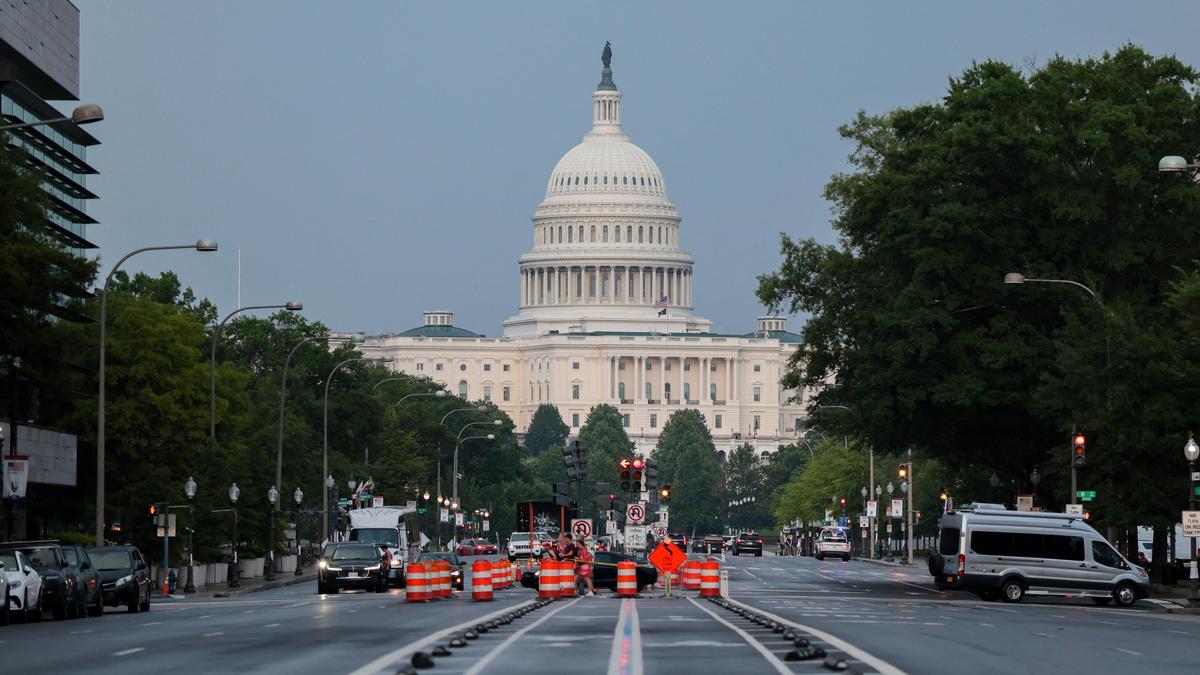
In a bid to avoid a government shutdown during the campaign season, key senators have introduced a short-term spending bill that will keep federal agencies funded until December 11. This move comes as lawmakers prepare to embark on their traditional August recess, a period typically used to focus on re-election prospects.
Bill Details and Exceptions
The bill generally maintains current funding levels for federal agencies, with some notable exceptions. Notably, the administration’s request for $1 billion to build new battleships was not included. Additionally, Democrats successfully inserted language that prevents the administration from diverting funds from other programs to the Border Patrol.
The House has passed a similar measure, but with some differences. Senators have been negotiating the terms of the bill, including which exceptions to include. One major difference between the two bills is the language regarding the transfer of funds to the Border Patrol.
Unusual Timing and Priorities
Typically, Congress waits until the last minute to pass short-term funding extensions. However, this time, senators are acting two months ahead of the September 30 deadline. Senate Majority Leader John Thune emphasized the importance of passing the measure, citing the need to avoid a third government shutdown in the past 10 months.
Both parties are keen to avoid another shutdown, particularly with elections looming. A short-term funding extension will give lawmakers time to work out their differences on full-year funding. However, this will not be an easy task, as Republicans are pushing for significant increases in defense spending while cutting non-defense spending.
Policy Fights and Priorities
Democrats are seeking to extend an expiring health insurance tax credit, while Republicans are reluctant to include this in the short-term spending bill. Additionally, there are concerns about the administration’s proposed rule on grants, which would require a senior political appointee to review grant proposals based on criteria that include advancing the President’s policy priorities.
Senators like Susan Collins and Patty Murray are working to block this rule, citing its potential to politicize grants and harm small communities and research initiatives. Democrats fear that the administration will use federal grants as a means to punish perceived foes and reward allies, undermining Congress’s authority.
Next Steps and Challenges
The Senate is expected to vote on the measure before the August recess. While the bill’s passage is a significant step, it is only a temporary solution. Lawmakers will need to work out their differences on full-year funding, navigating complex policy fights and priorities.
- The administration’s proposed rule on grants remains a point of contention.
- Democrats are pushing to extend the expiring health insurance tax credit.
- Republicans are seeking to increase defense spending while cutting non-defense spending.
The coming months will be crucial in determining the outcome of these policy battles and the future of government funding.
Source: Original Article
About the Author