India’s Demographic Landscape is Undergoing a Significant Transformation
The latest data from the Sample Registration System – Statistical Report, 2024, reveals a remarkable decline in India’s fertility rate, with the Total Fertility Rate dropping to 1.9, below the replacement level of 2.1. This decline is attributed to a falling birth rate, which has decreased from 21 in 2014 to 18.3 in 2024, while the death rate has marginally decreased from 6.7 to 6.4.
Implications of a Greying Population
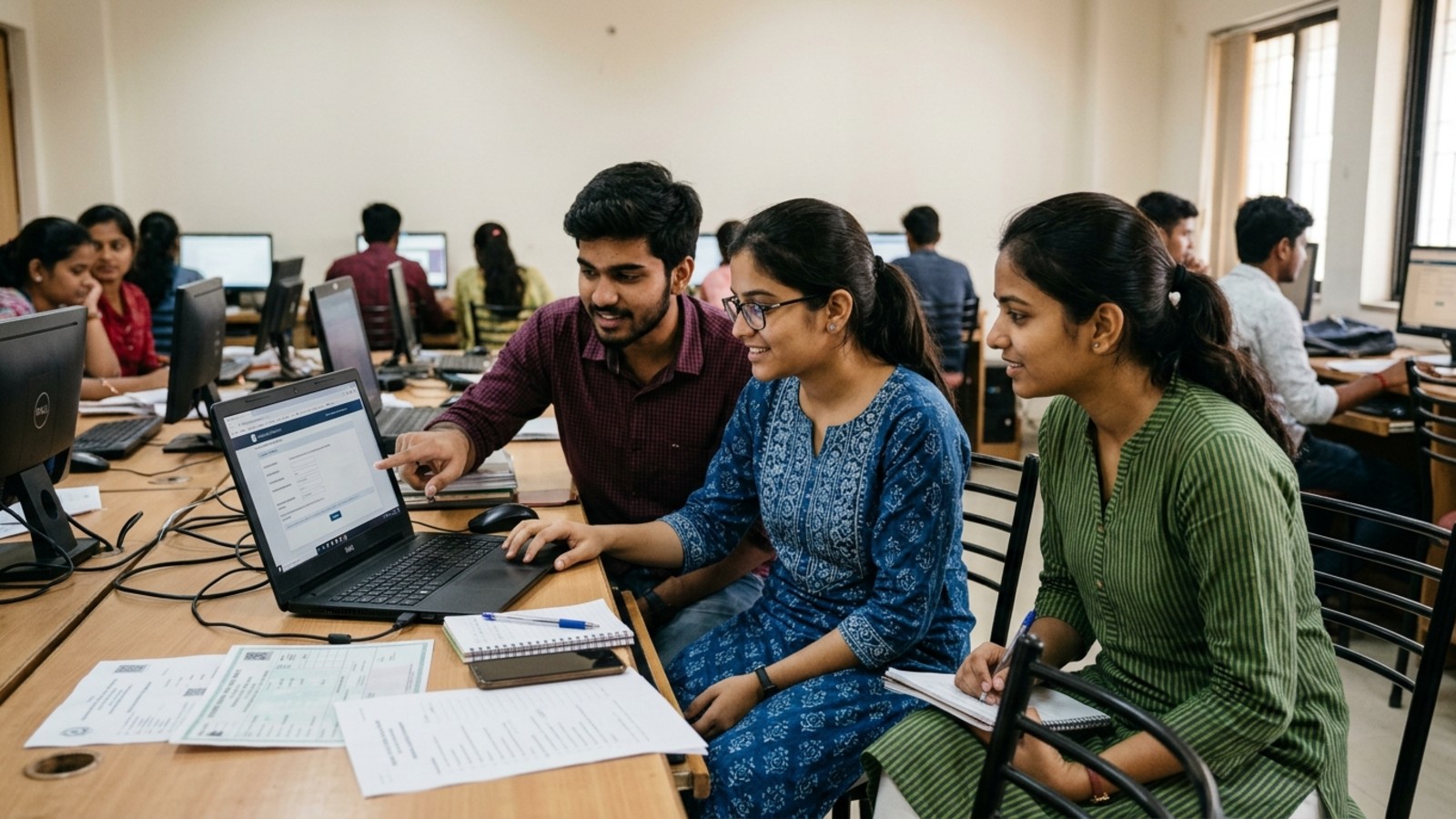
India is transitioning from a phase of rapid population growth to one of ageing population and shrinking workforce expansion. However, the country still has the opportunity to reap its demographic dividend, with a median age of 29.2 years, significantly lower than China’s 40.2 years and several European nations. The large youth population, approximately 370-380 million individuals aged 15-29 years, representing around 27% of the population, is a significant asset.
The factors contributing to the decline in fertility rate include urbanization, improved education, access to contraception, and the desire for smaller families. The high life expectancy at birth, 72 years, and decreasing death rate are also indicative of better healthcare access.
Regional Disparities and the Need for Targeted Interventions
The data highlights significant regional and rural/urban disparities, with southern states outperforming northern states. The performance in rural areas lags behind urban centers, and high-burden states in the north have higher Infant Mortality Rates. To achieve national convergence, targeted interventions are necessary to improve access to healthcare, education, and awareness in lagging states and areas.
The demographic shift poses both opportunities and challenges for India. While the country can still benefit from its demographic dividend, it must also prepare for the needs of a future greying nation. The government must reassess its strategies and pivot to address the impending demographic changes and ensure a smooth transition.
- India’s population growth is slowing down, with a declining fertility rate and birth rate.
- The country has a significant youth population, with approximately 370-380 million individuals aged 15-29 years.
- Regional disparities and rural/urban disparities are significant, requiring targeted interventions to achieve national convergence.
As India navigates this demographic shift, it is essential to prioritize the needs of its ageing population, while also harnessing the potential of its youth population to drive economic growth and development.
Source: Original Article
About the Author