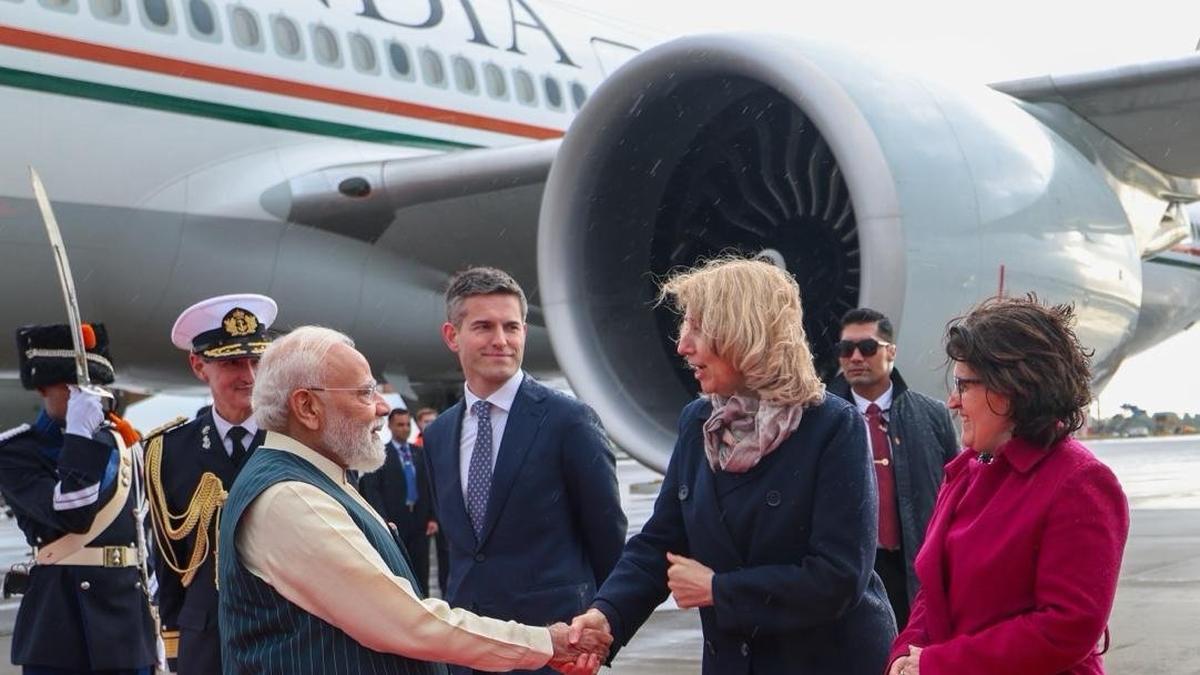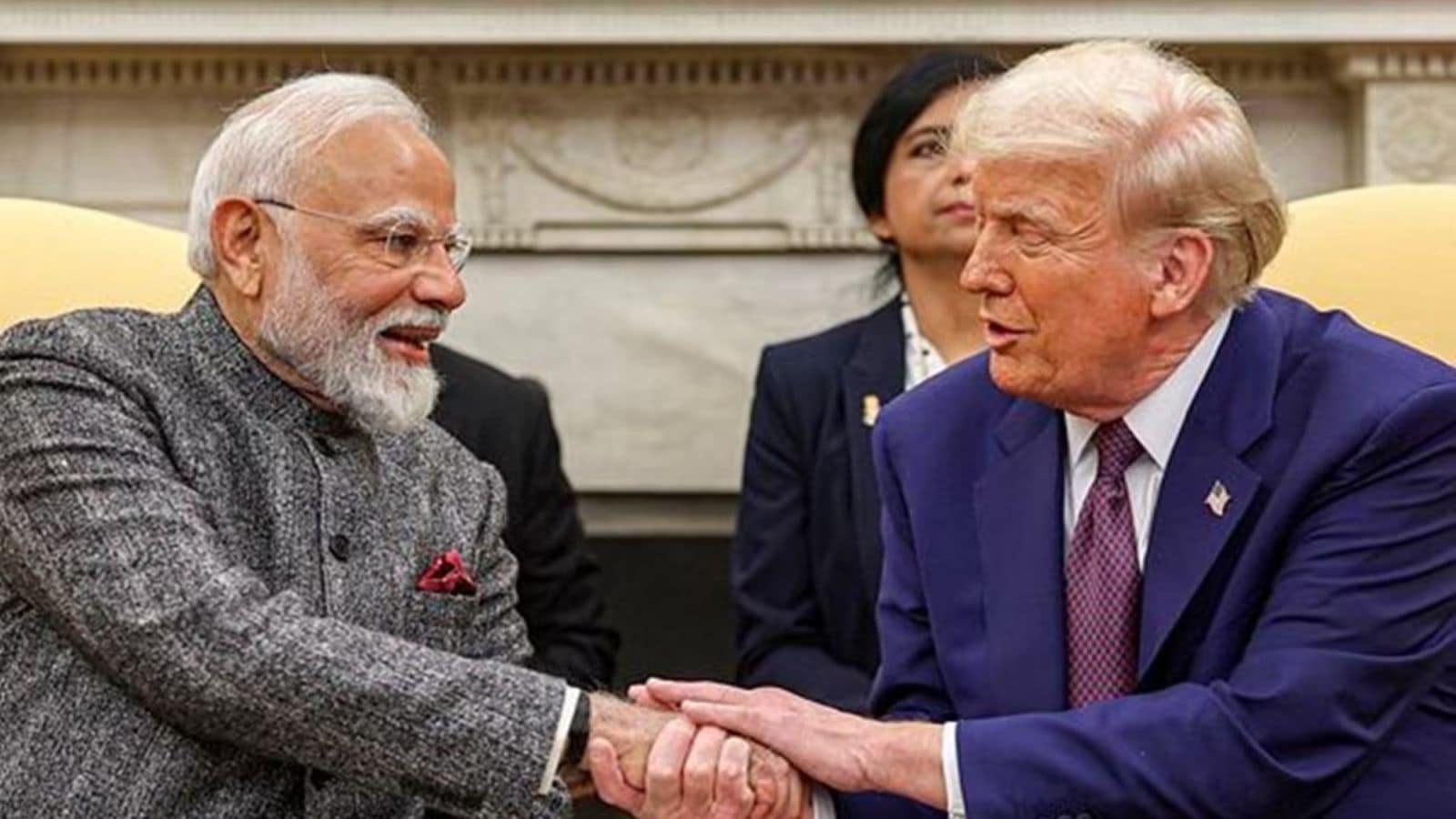
The dynamics of the US-India relationship have undergone a significant shift in recent years, with the special bond between the two nations giving way to a more pragmatic and transactional approach.
Changing US Perception
The US has altered its view of India, no longer seeing it as a strategic partner in the same league as it once did. The primary driver of this change is the evolving US geopolitical outlook, particularly with regards to Eurasia.
Eurasian Challenges
The US has historically sought to address three key challenges in Eurasia: containing Russia in Europe, combating Islamic radicalism in the Gulf, and balancing China’s rise in Asia. India was once perceived as a potential player in all three arenas, but its recent actions have led the US to reassess its role.
- India’s neutrality in the Ukraine-Russia conflict and its purchase of Russian oil have diminished its credibility as a diplomatic brake on Russian adventurism.
- In the Gulf, India has expanded its strategic presence, but the US has come to regard Pakistan as a more valuable intermediary, particularly in negotiations with Iran.
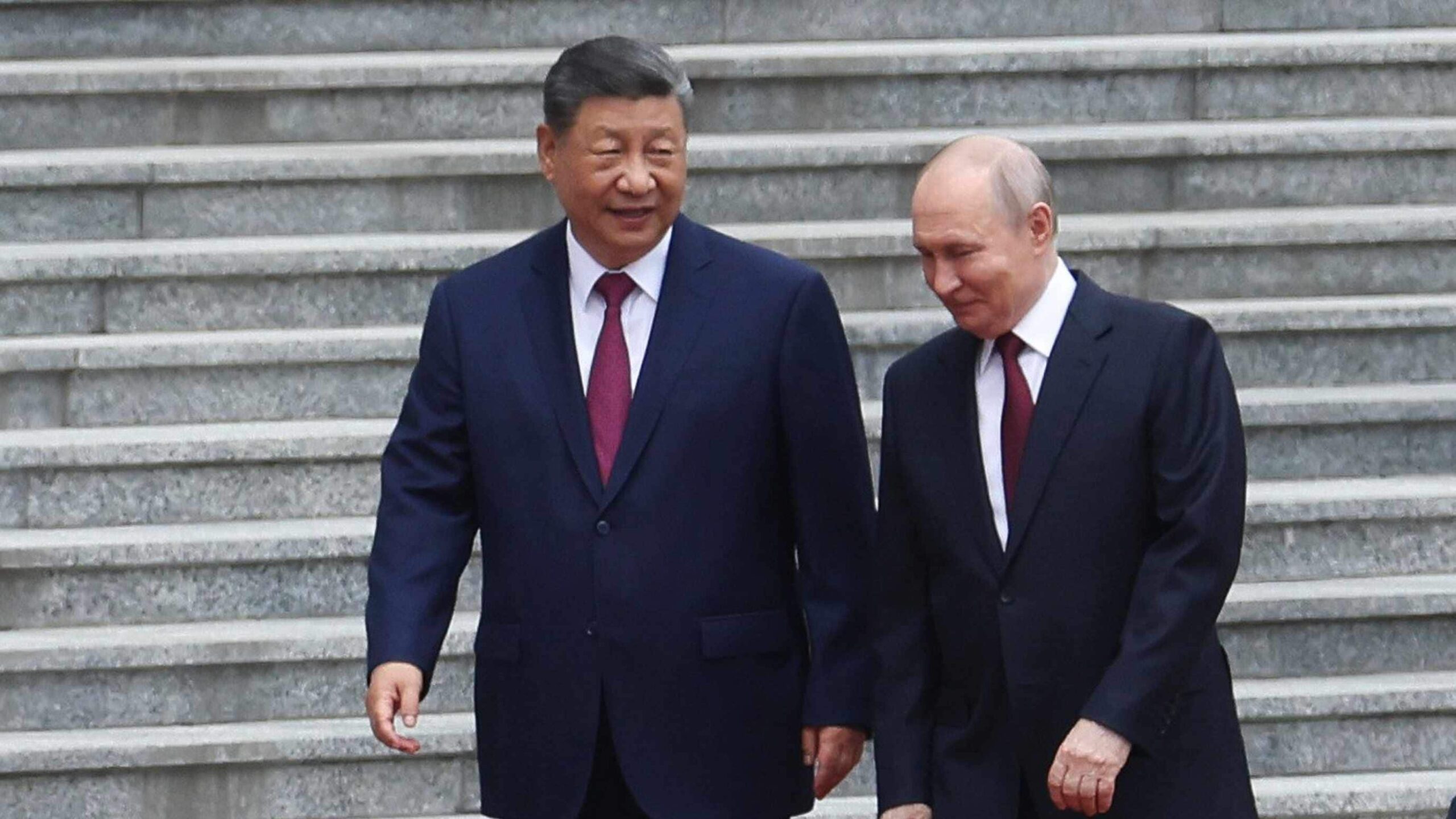
- With regards to China, the US had hoped India would emerge as a counterbalance, but India’s economic growth has not kept pace with China’s, and its military capabilities are not geared towards projecting power in the South China Sea.
Consequently, the US has adjusted its expectations from India, focusing more on economic and commercial interests, such as increasing US exports to India and investing in the country’s growing market.
India’s New Role
India is now viewed as a destination for US products, investments, and arms, rather than a strategic partner. This shift has significant implications for the future of US-India ties, with opportunities and challenges arising from this new transactional dynamic.
Despite efforts by US officials to revitalize the relationship, the future of US-India cooperation appears to be centered on pragmatic, self-interested dealings, rather than a deep-seated strategic partnership.
Source: Original Article
About the Author