Shiv Sena’s Parliamentary Leverage at Risk
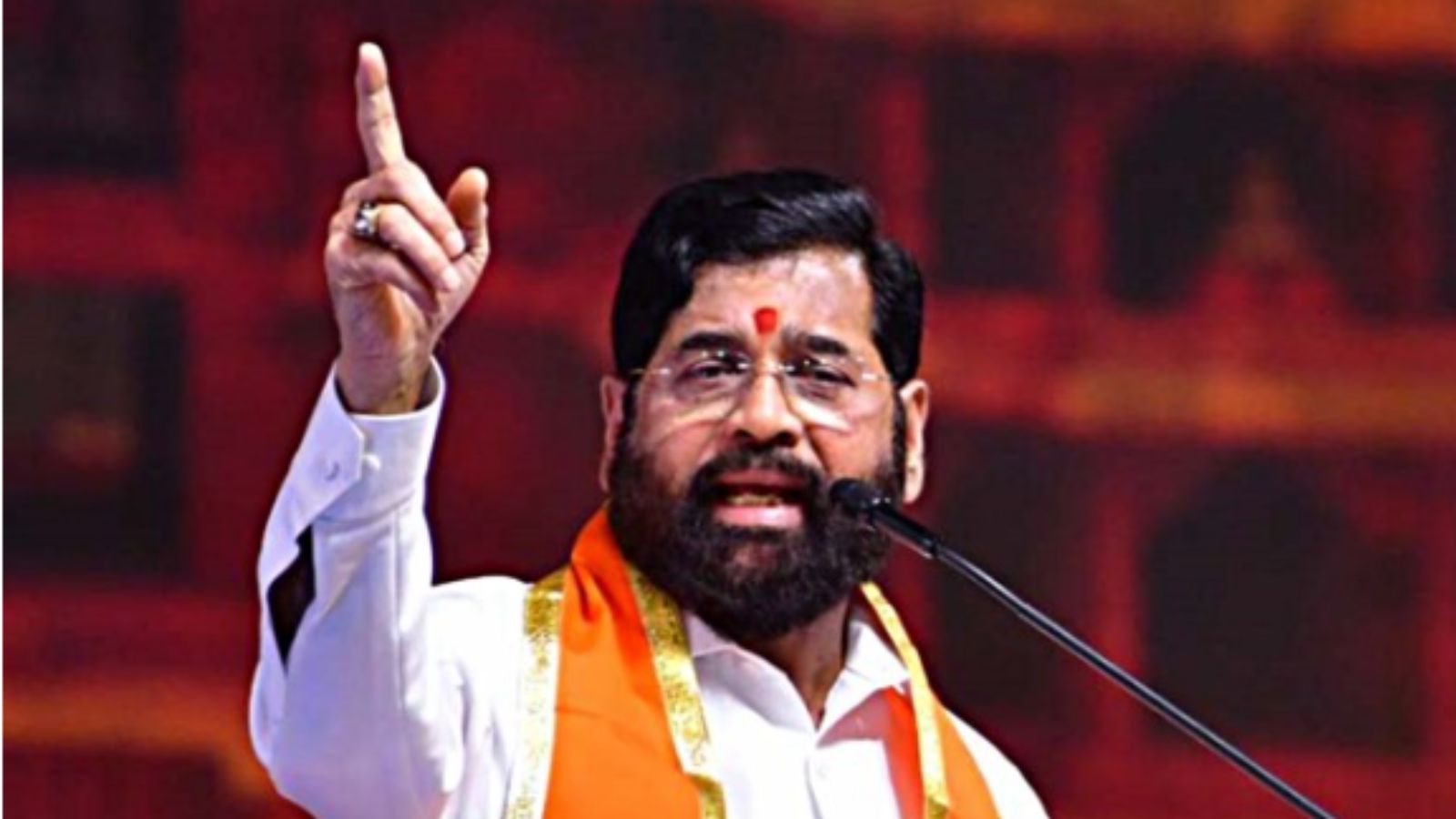
The rebellion within the Trinamool Congress (TMC) in West Bengal has the potential to significantly impact the national political landscape, particularly for Shiv Sena chief and Maharashtra Deputy Chief Minister Eknath Shinde. The TMC’s troubles could dilute the parliamentary influence that Shinde’s party has managed to retain within the NDA.
A Shift in Power Dynamics
After the 2024 Lok Sabha elections, the Shiv Sena emerged as the NDA’s fourth-largest constituent, with seven MPs. This gave Shinde considerable influence, which extended beyond Maharashtra. However, with the BJP’s impressive performance in the 2024 Maharashtra Assembly election, the party’s dependence on the Sena has decreased.
The BJP’s increased strength in the state, coupled with the support of 41 MLAs from the Sunetra Paawar-led NCP, has reduced Shinde’s bargaining power. His principal leverage now lies in Delhi, where his party’s seven MPs hold significant value.
Potential Impact of TMC Rebellion
A rebel bloc of around 20 TMC MPs backing the NDA could provide the BJP with an alternative source of parliamentary support. While the BJP may not immediately require these numbers to sustain the government, the availability of this bloc would reduce its dependence on existing allies and, consequently, their negotiating power.
- The TMC rebellion could bring an indirect political advantage to Devendra Fadnavis, allowing the BJP to be less constrained by its allies in state-level power equations.
- Shinde’s own rise to power was facilitated by a rebellion within a regional party that strengthened the BJP. A similar rebellion in another regional party could now produce the opposite effect for him.
The importance of the Sena’s seven MPs extends beyond arithmetic. They have supported several key initiatives of the Modi government, reinforcing Shinde’s standing as the head of one of the alliance’s key partners.
Uneasy Alliance
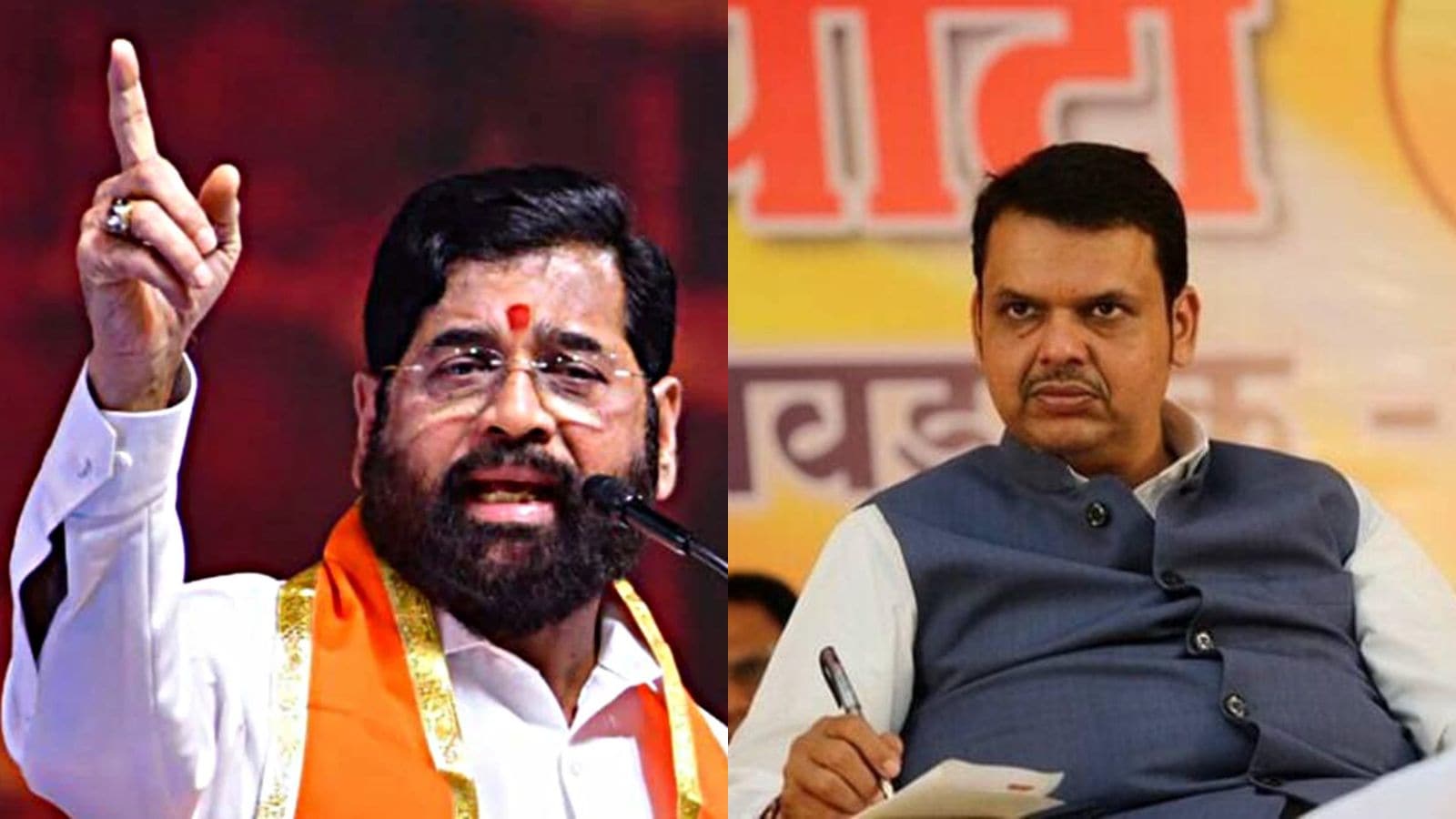
The relationship between Shinde and Fadnavis has been marked by tension since the 2022 split in the undivided Shiv Sena. Disputes over power-sharing, Cabinet berths, and local body election strategies have highlighted the friction within the Mahayuti alliance.
With an uneasy relationship in Maharashtra, Shinde’s parliamentary importance has assumed greater political value. His frequent visits to Delhi for meetings with Union Home Minister Amit Shah and other senior BJP leaders have been seen as an attempt to bypass the Maharashtra BJP leadership and take his concerns directly to the party’s central command.
The TMC rebellion threatens to alter this equation, potentially reducing Shinde’s leverage and influence within the NDA.
Source: Original Article
About the Author