Madras High Court Directs State to File Report on Paddy Storage Facilities
A recent public interest litigation petition has prompted the Madurai Bench of the Madras High Court to instruct the state government to submit a report on the establishment of scientific storage infrastructure in Direct Paddy Procurement Centres (DPCs).
Background of the Petition
The petition, filed by H. Amirtharaj Hameedudeen of Thanjavur, emphasizes the need for a time-bound state-wide action plan to construct permanent storage facilities and implement standard operating procedures for the storage, preservation, and handling of paddy.
The petitioner highlights that the lack of proper storage facilities has resulted in significant losses, with approximately 3.72 lakh tonnes of paddy and rice deteriorating or spoiling between 2019-20 and 2023-24, amounting to a financial loss of nearly ₹840 crore.
Consequences of Inadequate Storage
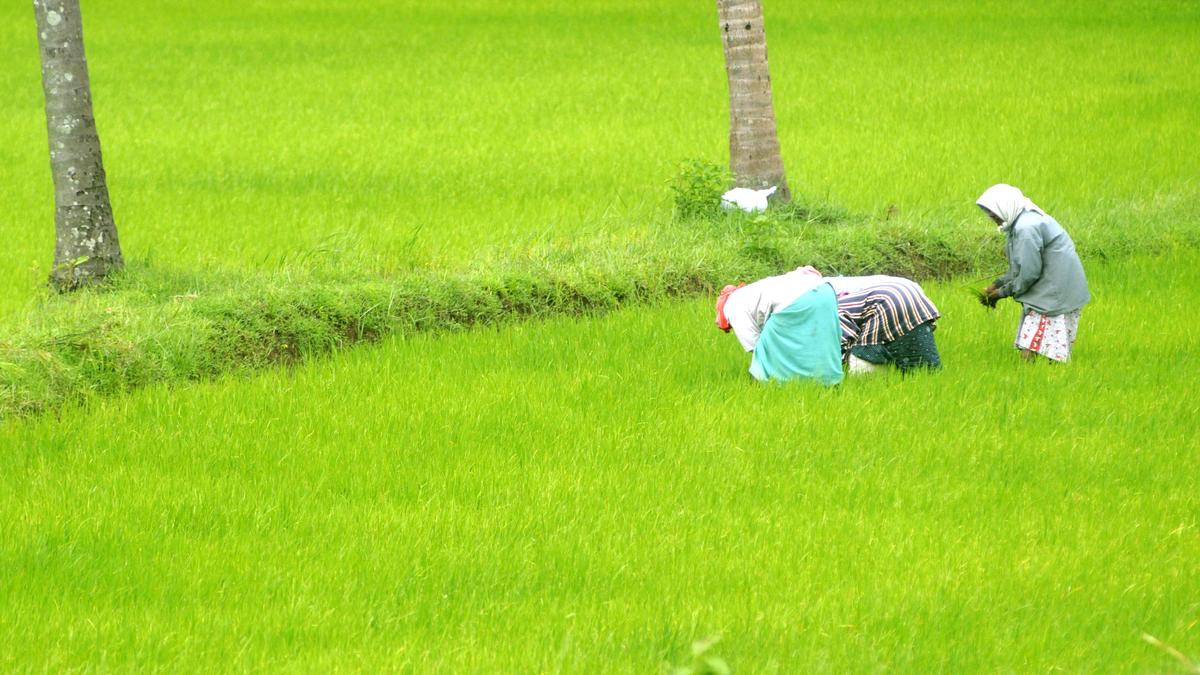
The petitioner argues that these losses not only represent a financial burden but also a wastage of food grains produced by farmers, misuse of public resources, and an unnecessary strain on the public exchequer.
Moreover, the procured paddy is an essential component of the Public Distribution System, intended to benefit economically weaker sections of society, and its deterioration or destruction directly affects the state’s ability to fulfill its food security obligations.
State’s Responsibility
The state government and Tamil Nadu Civil Supplies Corporation have a public duty to ensure that food grains are preserved, protected, and handled in a safe and scientific manner, the petitioner asserts.
The court has scheduled the next hearing for July 27, pending the state’s report on the matter.
- The petition seeks a comprehensive intervention to strengthen storage and preservation infrastructure throughout the state.
- The state government is expected to file a report on the establishment of scientific storage facilities in DPCs.
- The court’s decision is anticipated to have a significant impact on the state’s food security obligations and the welfare of farmers.
Source: Original Article
About the Author