Bengaluru’s Unplanned Growth
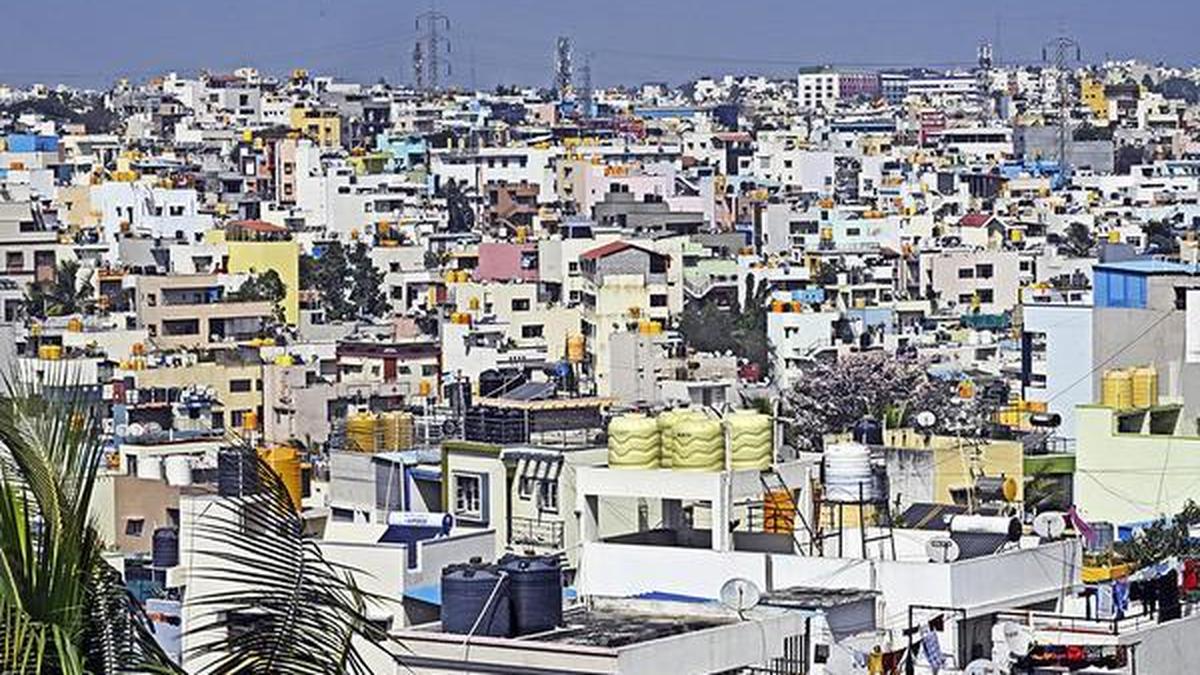
Bengaluru, known for its chaotic and unregulated growth, is now grappling with a master planning dilemma. The city’s unplanned expansion has led to a tangled web of roads, drains, water supply, power, and gas lines, causing numerous problems for its residents. The proposed master plans by the Greater Bengaluru Authority (GBA) and the Bengaluru Development Authority (BDA) aim to address these issues, but they have raised more questions than answers.
Conflicting Plans and Visions
The GBA and BDA are tasked with preparing separate master plans for the city, with different visions and timelines. The GBA’s plan has a 2047 vision, while the BDA’s plan only goes up to 2041. Moreover, the State Government has signed an agreement with ISEG Foundation to prepare an Economic Master Plan for the entire Bengaluru Metropolitan Region, which will overlap with the GBA and BDA plans. This has created confusion and raised concerns about the feasibility of these plans.
Key Issues:
- Lack of clarity on the planning process and authority
- Conflicting visions and timelines
- Overlapping jurisdictions and lack of integration
- Legality of the planning process and potential court challenges
Expert Opinions and Concerns
Urban planning experts, such as Ashwin Mahesh, have raised objections to the current planning process, citing its legal flaws and lack of internal capacity. The Citizens Action Forum (CAF) has also taken the legal route, challenging the planning authority’s jurisdiction. Vijayan Menon from CAF argues that the planning authority should rightfully belong to the Metropolitan Planning Committee (MPC), as per the 74th Amendment.
Jaya Dhindaw, Executive Director, Sustainable Cities Programme at the World Resources Institute (WRI) India, suggests that a single agency should lead the preparation of the master plan for the entire functional urban area, taking into consideration the new reality and ensuring integration and coherence.
Source: Original Article
About the Author