Escalating Tensions in West Asia
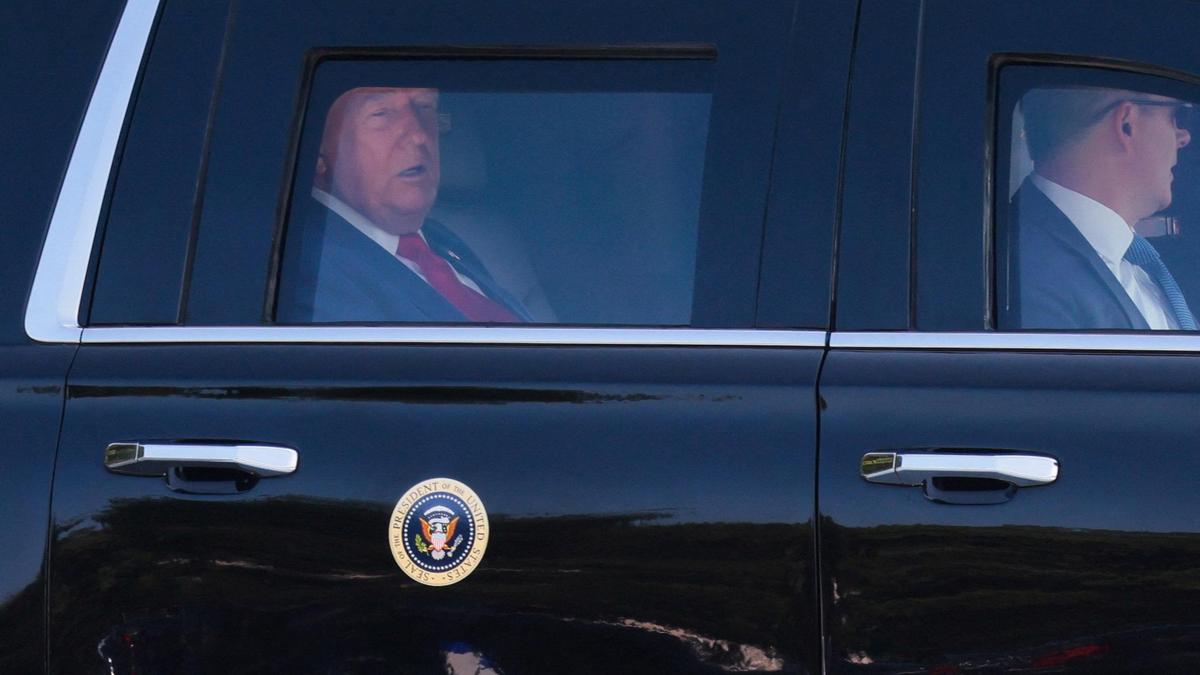
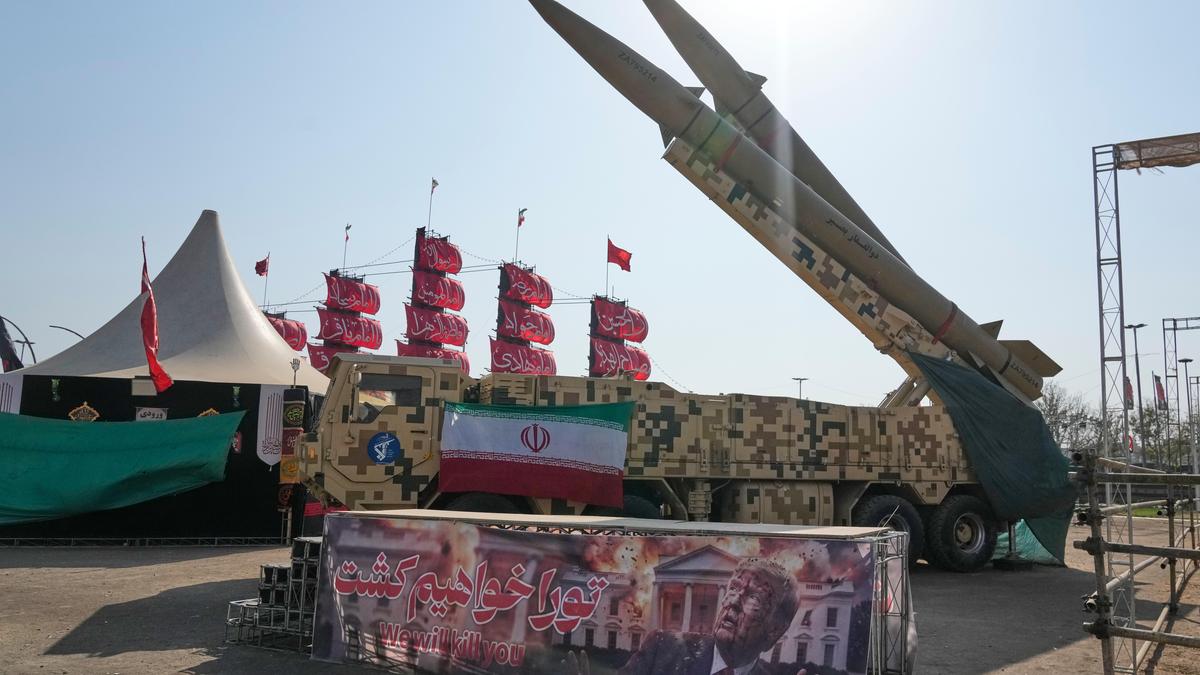
The United States has vowed to hit back hard at Iran after the Islamic Republic attacked US bases in Jordan, sparking a resurgence in the West Asia war. US President Donald Trump has warned of severe action, stating that he wants the ability to impose tariffs on Iran added to Russia sanctions legislation.
Iran’s Missile Attacks and US Response
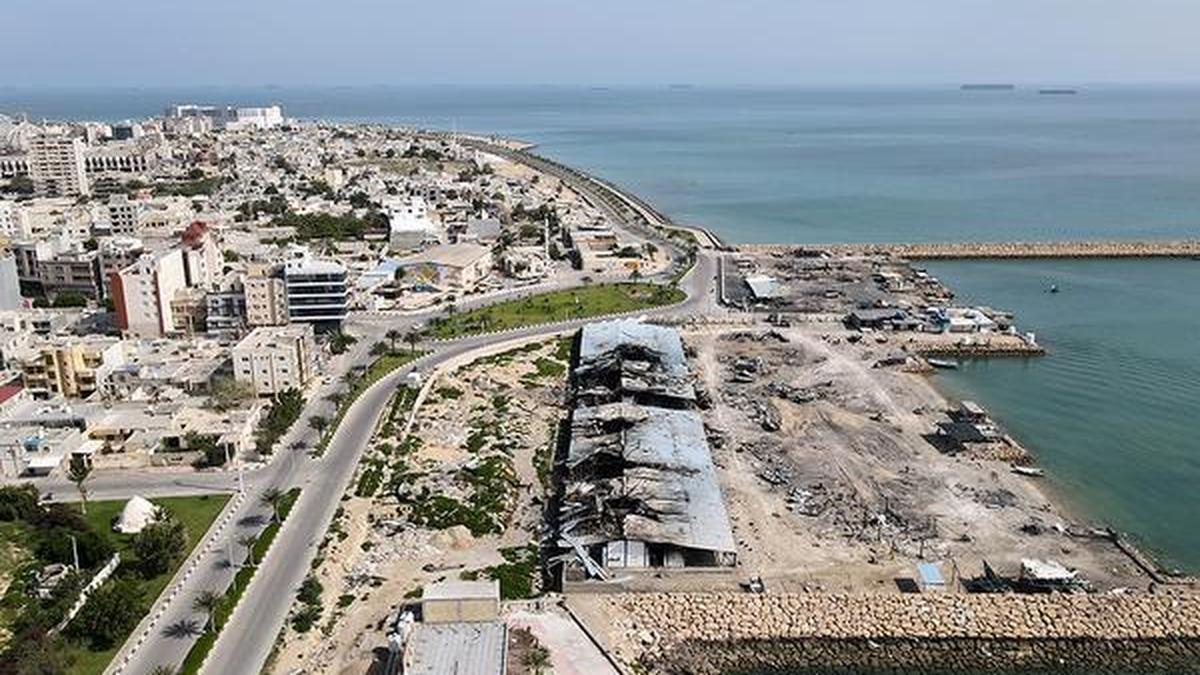
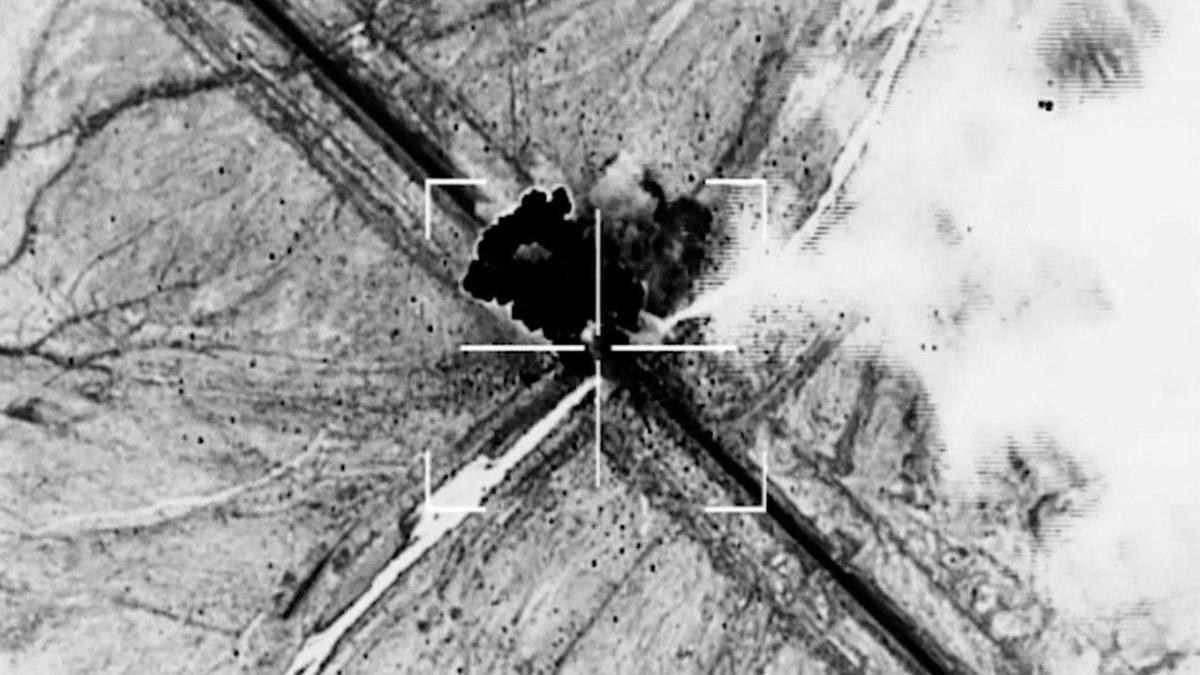
Iran launched a barrage of missiles at American forces in West Asia, prompting the US to partner with Saudi Arabia to strike Tehran-backed militias in Iraq. The US-Saudi strike killed at least 20 fighters, including six Iranian advisers. The US has also intercepted Iranian missiles, with Jordan’s air defenses destroying five missiles launched from Iran.
The conflict has raised concerns about disruptions to global oil supplies, with oil prices jumping 5% in response to the escalating tensions. The US has also expressed concerns about the difficulty of winding down the five-month conflict, which has already jolted the world economy and is unpopular among Americans.
Regional Implications and International Involvement
- Yemen’s Houthi rebels, backed by Iran, are planning to impose fees for ships transiting the Red Sea and the Bab al-Mandeb Strait, according to the Yemeni government.
- Israel has accused Hezbollah of a truce violation, saying the Iran-backed militant group launched a drone at an Israeli vehicle in southern Lebanon.
- China has held direct talks with Yemen’s Houthi movement to enable its tankers to sail through the southern Red Sea without being attacked.
The international community is closely watching the developments in West Asia, with the US, Saudi Arabia, and Iran engaging in a complex web of alliances and rivalries. The conflict has significant implications for global oil supplies, regional stability, and international relations.
Source: Original Article
About the Author