Introduction
The Indian government has been pushing for austerity measures to reduce the country’s reliance on imports and mitigate the effects of the global energy crisis. Prime Minister Narendra Modi has been at the forefront of this effort, urging citizens to adopt frugal habits and reduce their consumption of fuel, gold, and other imported goods.
The Prime Minister’s Appeal
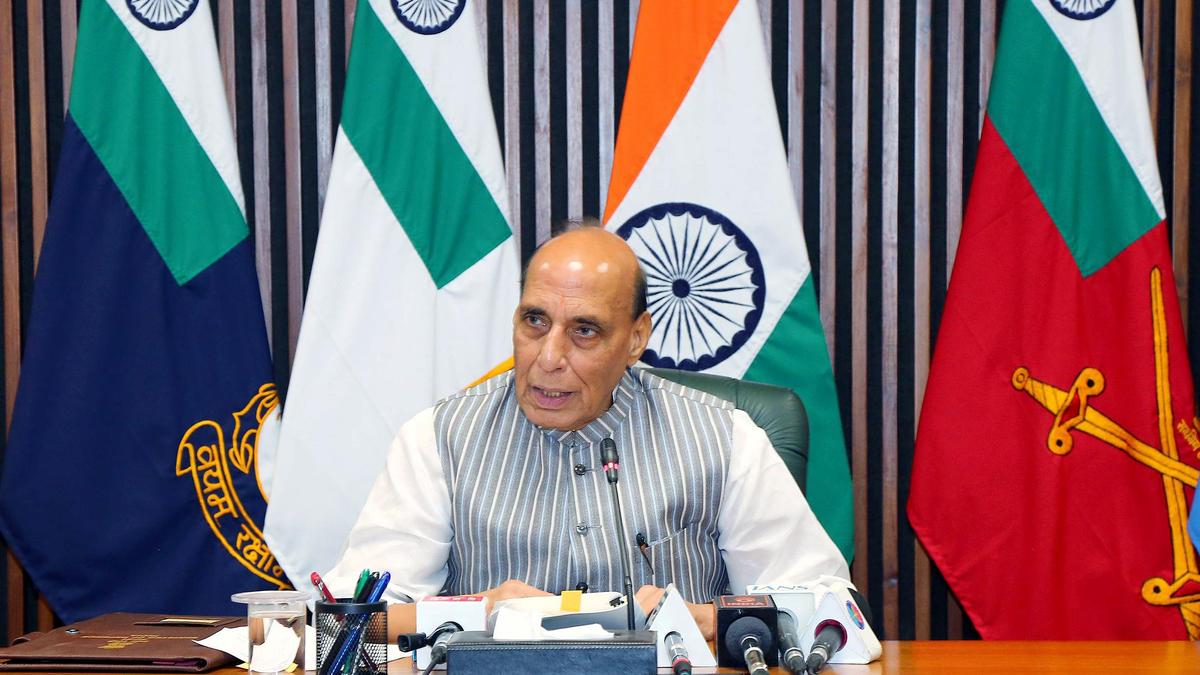
On May 10, PM Modi outlined a seven-point plan to help the Indian economy navigate the challenges posed by the war in West Asia. The plan includes reducing fuel usage, avoiding foreign travel, and promoting the use of Indian-made products. The opposition has questioned the timing of the appeal, coming as it did after the conclusion of Assembly elections in several key states.
The Need for Austerity
The war in West Asia has led to a global energy crisis, resulting in higher oil and gas prices. India, which imports 85-90% of its oil requirements, is particularly vulnerable to these price fluctuations. The country’s import bill has increased significantly, with oil alone accounting for 17% of India’s total goods import basket. The government is seeking to reduce this burden through austerity measures.
Key Challenges
- The price of Brent Crude has risen from $65 a barrel to $110 a barrel in just one year.
- India’s gold imports have continued to rise despite a 45-60% increase in prices over the last year.
- The rupee has depreciated significantly, breaching the ₹96-to-a-dollar mark.
- Foreign Institutional Investors have been pulling out large sums from Indian markets, creating another channel of dollar outflows.
Government Measures
The government has taken several measures to support the austerity drive, including doubling the effective tax on gold and silver imports to 18.4% and restricting the import of silver. The prices of petrol and diesel have also been hiked to reduce demand. However, it remains to be seen whether these measures will be enough to mitigate the effects of the economic storm.
Will Austerity Work?
While some of the measures called for by the Prime Minister and implemented by the government may have a positive impact, others may lead to negative consequences. Higher fuel prices, for example, may deter unnecessary travel but could also hurt the common man. The success of the austerity drive will depend on the government’s ability to balance the need for fiscal discipline with the need to protect the vulnerable sections of society.
Source: Original Article
About the Author